Palawa poetry workshop
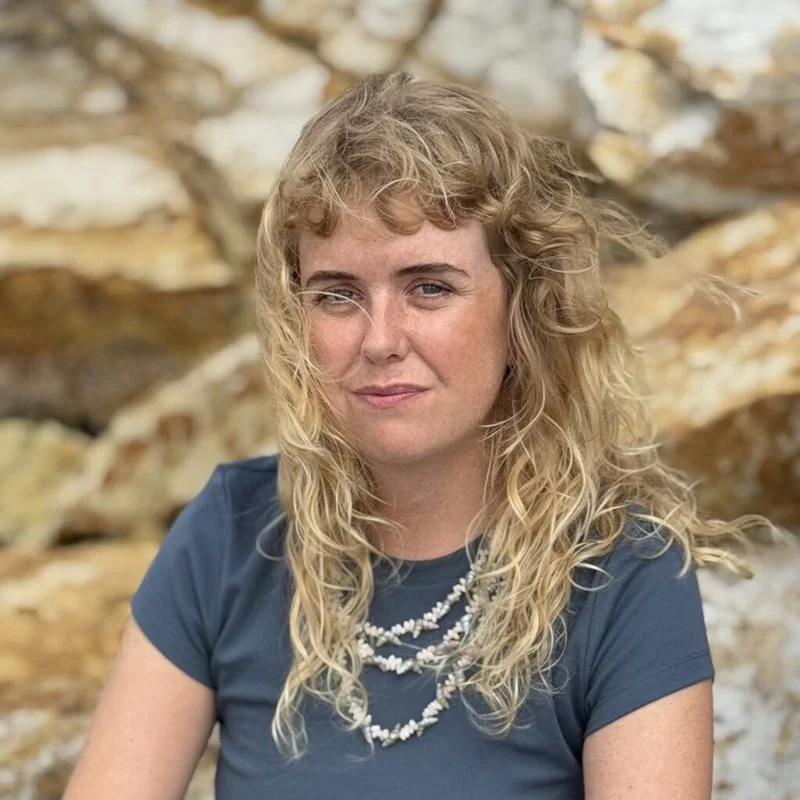
with Neika Lehman
Sunday 31 May, 10am -12pm
The Hedberg
19 Collins Street, Nipaluna/Hobart
Open to the Palawa | Pakana community and to First Nations people from elsewhere — all ages and experience levels welcome
Free - registration required
This workshop is for mob only.
To help keep the space safe and respectful, you will be asked when registering to briefly describe your connection to the Tasmanian Aboriginal community (one to two sentences or a short paragraph).
First Nations people from elsewhere who have community connections are welcome.
Once we receive your registration, we’ll be in touch to confirm of your place and to give you further details.
If you have any questions, please contact us at: contact@islandfest.com.au
Our families and communities brim with beautiful, complex histories. We find meaning and strength in the stories passed down through generations: in cultural belongings, family photographs, letters, and official records. Their demonstrations of power, protest and love show us who we are.
Perhaps the deepest power is in the knowledge of Country itself. Country, or to use puralia meenamatta Uncle Jim’s concept of All-Life, is both a knowledge holder and deep time memory keeper. It has been there, holding us and shaping our stories and spirits long before Lutruwita became an island. Country is also one of our greatest creative guides. As we are extensions of Country, we are born with that creativity inside of us.
This creative writing workshop is an invitation to connect with our human and more-than-human histories and explore how they land us in the room today. Through poetry and creative writing, we'll use our imaginations to bring intimate moments, voices and experiences to the page.
No writing experience is needed!
Whether you want to have a go at poetry for the first time or you're looking to develop your writing and experiment alongside community, there's a place for you here. We'll work through techniques including:
Developing voice - exploring your poetic voice (what is your voice?) and speaking from different locations (lovers, family, community, Country).
Collaging — gathering and re-arranging fragments of language, image, memory and place from public and personal records
Responding to archives — using family documents, photographs, objects, oral stories as creative sources
Come ready to eat snacks, share stories and tune in to your ancestors, one another, and yourselves. Elders, youth and queer mob especially encouraged.